
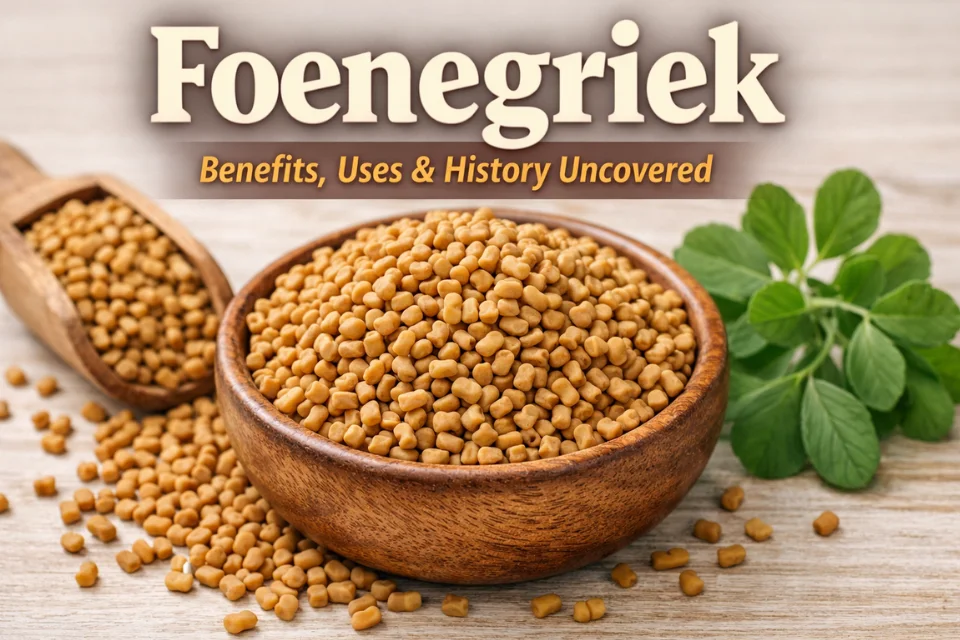
Foenegriek, more commonly known as fenugreek, is a small but powerful herb that has been used for centuries in traditional medicine and cooking. From ancient Egypt to South Asia and the Middle East, this plant has earned a strong reputation for its health benefits, rich flavor, and healing properties. Today, foenegriek continues to gain popularity as people search for natural ways to improve their well-being.
What Is Foenegriek?
Foenegriek comes from the plant Trigonella foenum-graecum, which belongs to the legume family. The seeds of this plant are the most commonly used part, although its leaves are also consumed in many cultures. Fenugreek seeds are small, yellow-brown in color, and have a slightly bitter taste with a maple-like aroma when cooked.
This herb is widely grown in countries such as India, Pakistan, Egypt, and parts of Europe. Because of its versatility, foenegriek is used both as a spice in food and as a natural remedy in herbal medicine.
Historical Importance of Foenegriek
Foenegriek has a long and fascinating history. Ancient Egyptians used it for embalming and to support women during childbirth. In traditional Chinese medicine, it was believed to warm the body and improve circulation. Ayurveda, the ancient Indian system of healing, considers foenegriek a powerful herb for digestion, metabolism, and overall strength.
Over time, these traditional uses caught the attention of modern researchers, leading to scientific studies that support many of its health benefits.
Nutritional Value of Foenegriek
One of the reasons foenegriek is so beneficial is its impressive nutritional profile. Fenugreek seeds are rich in fiber, protein, iron, magnesium, and vitamins such as B6. They also contain powerful plant compounds like saponins and antioxidants, which help protect the body from damage caused by free radicals.
The high fiber content makes foenegriek especially helpful for digestion and blood sugar control, making it a popular choice for people looking to improve their dietary habits naturally.
Health Benefits of Foenegriek
Foenegriek is known for offering a wide range of health benefits. One of its most well-known uses is for blood sugar management. Studies suggest that fenugreek seeds may help regulate glucose levels, which is beneficial for people with diabetes or insulin resistance.
Another important benefit is digestive health. Foenegriek helps reduce constipation, improves gut function, and soothes stomach inflammation. It is also believed to support heart health by helping lower cholesterol levels.
Foenegriek is often used to support hormonal balance, particularly in women. It has traditionally been used to reduce menstrual discomfort and support milk production in breastfeeding mothers. For men, it is sometimes associated with improved strength and energy levels.
Foenegriek in Cooking
Beyond its health benefits, foenegriek plays an important role in cooking. The seeds are commonly used in spice blends, curries, and pickles. When lightly roasted, they develop a warm, nutty flavor that enhances many dishes.
Fresh or dried fenugreek leaves are also popular in South Asian cuisine. They add a unique aroma and slightly bitter taste to breads, vegetables, and meat dishes. Foenegriek is not only flavorful but also adds nutritional value to meals.
How to Use Foenegriek Safely
Foenegriek can be consumed in several forms, including whole seeds, powder, tea, or supplements. Soaking the seeds overnight and consuming them in the morning is a common traditional practice. However, moderation is important, as excessive consumption may cause digestive discomfort.
Pregnant women and individuals with medical conditions should consult a healthcare professional before using foenegriek regularly, especially in supplement form.
Conclusion
Foenegriek is a remarkable herb that combines tradition, nutrition, and healing in a natural way. Its long history, supported by modern research, makes it a valuable addition to both the kitchen and a healthy lifestyle. Whether used as a spice, a tea, or a natural remedy, foenegriek continues to prove that simple plants can offer powerful benefits for the human body.