
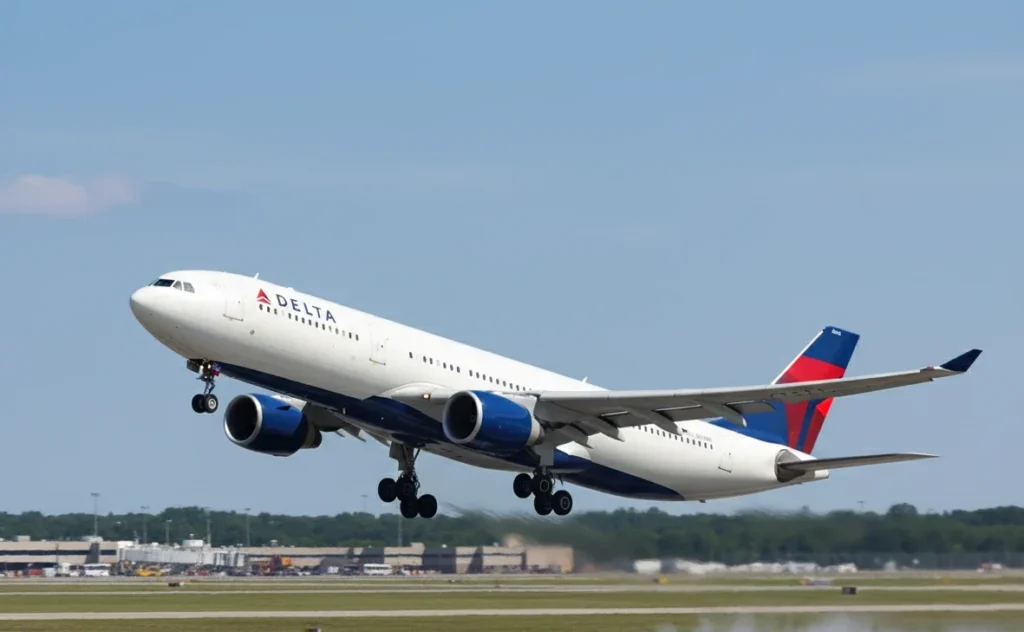
Air travel disruptions are never pleasant, especially when they happen mid-journey. Recently, Delta Flight DL275 diverted LAX, catching the attention of passengers, aviation enthusiasts, and travelers worldwide. The unexpected diversion raised questions about safety, airline protocols, and how such incidents affect travelers. This article explores the situation in detail, explains possible reasons behind the diversion, and highlights what passengers can expect when a flight is rerouted.
Overview of Delta Flight DL275
Delta Flight DL275 is a long-haul international flight operated by Delta Air Lines. It typically connects major global destinations, carrying hundreds of passengers across continents. Such flights are carefully planned with fuel calculations, crew schedules, and weather assessments in mind. When a flight of this scale is diverted, it is rarely a casual decision.
The moment Delta Flight DL275 diverted LAX, airline officials activated established safety and operational procedures designed to protect passengers and crew above all else.
Why Was Delta Flight DL275 Diverted LAX?
While airlines do not always immediately disclose detailed reasons, flight diversions usually occur for a limited number of serious causes. In the case of DL275, the diversion to Los Angeles International Airport (LAX) was likely influenced by one or more of the following factors:
Technical or Mechanical Concerns
Even minor technical alerts can prompt pilots to divert a flight. Modern aircraft are equipped with advanced monitoring systems that detect irregularities early. Pilots are trained to land at the nearest suitable airport rather than risk continuing.
Medical Emergencies Onboard
Medical situations involving passengers or crew are among the most common reasons for diversions. LAX is a major airport with immediate access to medical facilities, making it an ideal diversion point.
Weather-Related Issues
Severe weather conditions, turbulence, or unexpected atmospheric changes along the route can force pilots to reroute. Safety always outweighs scheduling convenience.
Operational or Airspace Restrictions
Occasionally, airspace congestion, airport closures, or geopolitical factors may require a sudden change in flight path.
Why LAX Was Chosen as the Diversion Airport
Los Angeles International Airport is one of the largest and most well-equipped airports in the world. When Delta Flight DL275 diverted LAX, the decision was likely influenced by several advantages:
-
Availability of Delta maintenance crews
-
Long runways suitable for wide-body aircraft
-
24/7 operations
-
Medical and emergency support
-
Passenger handling capacity
These factors make LAX a logical and safe choice during unplanned landings.
Passenger Experience During the Diversion
For passengers, a diversion can be stressful and confusing. Many travelers aboard DL275 reported feelings of uncertainty, especially when announcements were limited. However, airline protocol ensures that pilots communicate essential information without causing panic.
Once the aircraft landed at LAX, passengers typically experienced:
-
Delays while the situation was assessed
-
Possible aircraft inspections
-
Coordination for rebooking or accommodation
-
Assistance from Delta ground staff
Although frustrating, such delays are a tradeoff for ensuring safety.
How Delta Air Lines Handles Flight Diversions
Delta Air Lines follows strict safety and customer care policies. When a flight like DL275 is diverted, multiple departments work together, including flight operations, customer service, maintenance, and airport staff.
Passengers are often provided with:
-
Meal vouchers
-
Hotel accommodations (if overnight stay is required)
-
Alternative flight arrangements
-
Baggage support
The airline’s response plays a crucial role in how travelers perceive the incident.
Impact on Future Travel Plans
When Delta Flight DL275 diverted LAX, many passengers faced missed connections, delayed arrivals, and disrupted schedules. This can affect:
-
Business meetings
-
Vacation plans
-
Connecting international flights
However, most airlines, including Delta, attempt to minimize inconvenience by prioritizing rebookings and providing compensation where applicable under airline policy.
Aviation Safety and Why Diversions Are a Good Sign
Although diversions may seem alarming, they are actually a sign that aviation safety systems are working correctly. Pilots are trained to act cautiously, and airlines encourage conservative decision-making.
In aviation, it is far better to divert early than to ignore potential risks. The diversion of DL275 demonstrates that safety protocols are taken seriously, even when it leads to delays and logistical challenges.
Public Reaction and Online Discussion
As news spread that Delta Flight DL275 diverted LAX, social media platforms filled with speculation. Some users expressed concern, while others praised the airline for prioritizing safety.
Such discussions highlight how transparent communication from airlines can help reduce misinformation and passenger anxiety.
Final Thoughts
The incident where Delta Flight DL275 diverted LAX serves as a reminder that air travel, while highly safe, is also dynamic. Weather changes, technical alerts, or medical emergencies can arise at any time. What matters most is how airlines respond—and in this case, established safety measures were followed.
While inconvenient, the diversion reflects a responsible approach to passenger safety. For travelers, understanding these processes can help ease frustration and build trust in airline operations. In the end, arriving late is always better than risking safety at 35,000 feet